1/10/18 - LZ402 Lecture 1
This week we had a lecture introducing the ideas and theories about representation. Each week, we are required to reflect upon theories and then apply them to our own consumption of media and culture in this blog.
https://www.youtube.com/watch?v=UklIMCtUxTU

First, we were asked to consider the representation of women in the 1969 comedy film "Carry On Camping". One thing I noticed about the clip was that the women were also laughing at the men's misogynistic comments about other woman, which highlights how different society was in 1969 to how it is now. While the film consists of use of slapstick and 'toilet humour' (similar to what is seen in TV shows such as Only Fools and Horses), there are many elements in which the women are hyper-sexualised. For example, they are all seen in bikinis and swimming costumes, and they are all seen bending over and pushing their chests out repeatedly. The fact that the women are all seen exercising says a lot about how society in 1969 had a standard that women needed to meet; they had to be skinny, beautiful and active in order to please men. There is clear use of the male gaze throughout the clip; a character at one point even commenting on another's voyeurism, saying "if you were a gentleman, you'd close your eyes." This hypocrisy highlights how men are represented as dumbfounded in the presence of beautiful women.
First, we were asked to consider the representation of women in the 1969 comedy film "Carry On Camping". One thing I noticed about the clip was that the women were also laughing at the men's misogynistic comments about other woman, which highlights how different society was in 1969 to how it is now. While the film consists of use of slapstick and 'toilet humour' (similar to what is seen in TV shows such as Only Fools and Horses), there are many elements in which the women are hyper-sexualised. For example, they are all seen in bikinis and swimming costumes, and they are all seen bending over and pushing their chests out repeatedly. The fact that the women are all seen exercising says a lot about how society in 1969 had a standard that women needed to meet; they had to be skinny, beautiful and active in order to please men. There is clear use of the male gaze throughout the clip; a character at one point even commenting on another's voyeurism, saying "if you were a gentleman, you'd close your eyes." This hypocrisy highlights how men are represented as dumbfounded in the presence of beautiful women.
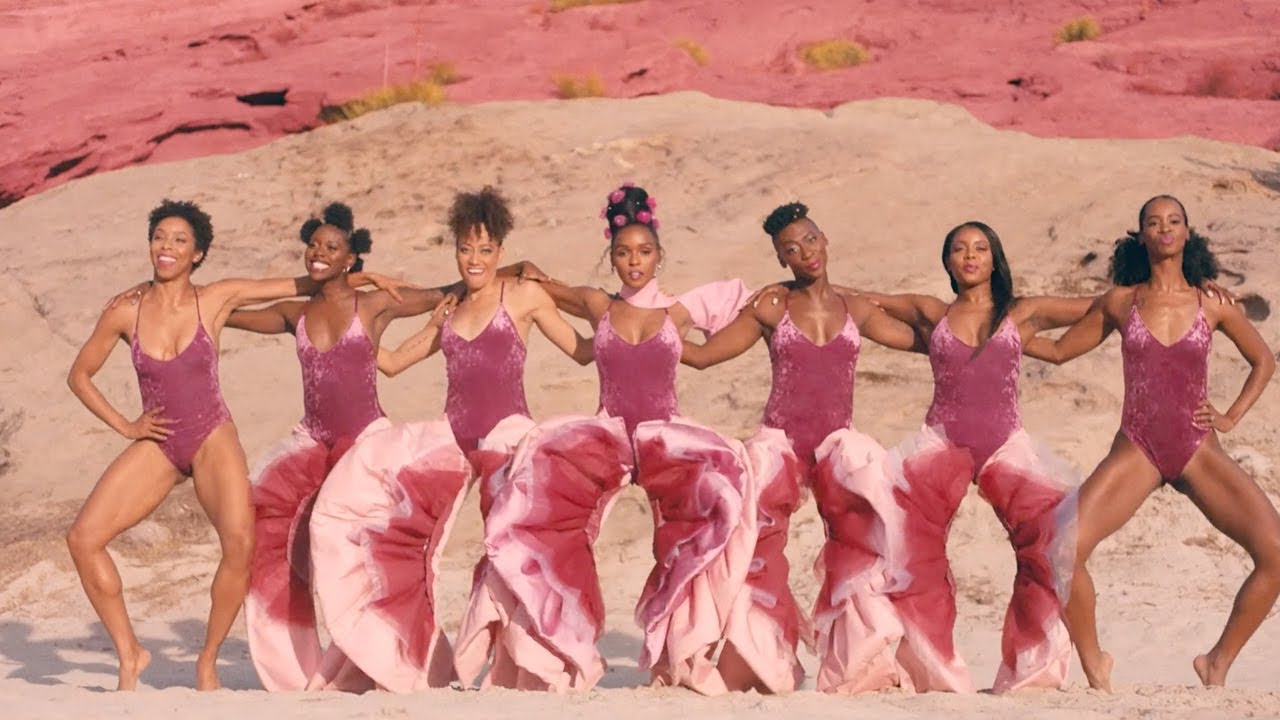
Next, we analysed the music video for "PYNK" by Janelle Monae. I found that the video focused mainly on owning hyper-sexuality and femininity rather than suppressing it. The symbolism behind some scenes (such as the vagina-shaped trousers and the sexual connotations of putting a finger through a doughnut) is so overly sexual, the video almost feels like a parody. Even if we were to ignore the video, the song itself is a symbol for the different representations of women. The verses are soft and feminine, while the chorus is loud and confident. This shows the contrast between two types of women on polar opposite ends of the spectrum.

Comments
Post a Comment